Summer in Ontario fills up quickly. One weekend it is a drive to the Bruce Peninsula, the next it is a long haul to cottage country or a family trip to Niagara. Toyotas are built to handle those kilometres reliably, but no vehicle benefits from skipping its pre-trip preparation. A few targeted checks before you leave the driveway can be the difference between a smooth trip and an unplanned detour.
Here are 10 practical tips to get your Toyota road-trip ready before summer gets away from you.
1. Book a Pre-Trip Inspection at Orangeville Toyota
Before anything else, book a multi-point inspection with the service team at Orangeville Toyota. Toyota-trained technicians follow a structured process that covers the systems most likely to cause problems on a long drive. Orangeville Toyota currently offers an 18-point road trip inspection that includes brakes, air filter, battery, and tires - everything on this list, checked by people who know your vehicle.
Genuine Toyota parts and trained technicians matter on long Ontario highway runs, where the nearest service centre may be an hour away. Scheduling this inspection first gives you a clear picture of what your vehicle needs before you start checking boxes yourself.
2. Check and Top Up All Fluids
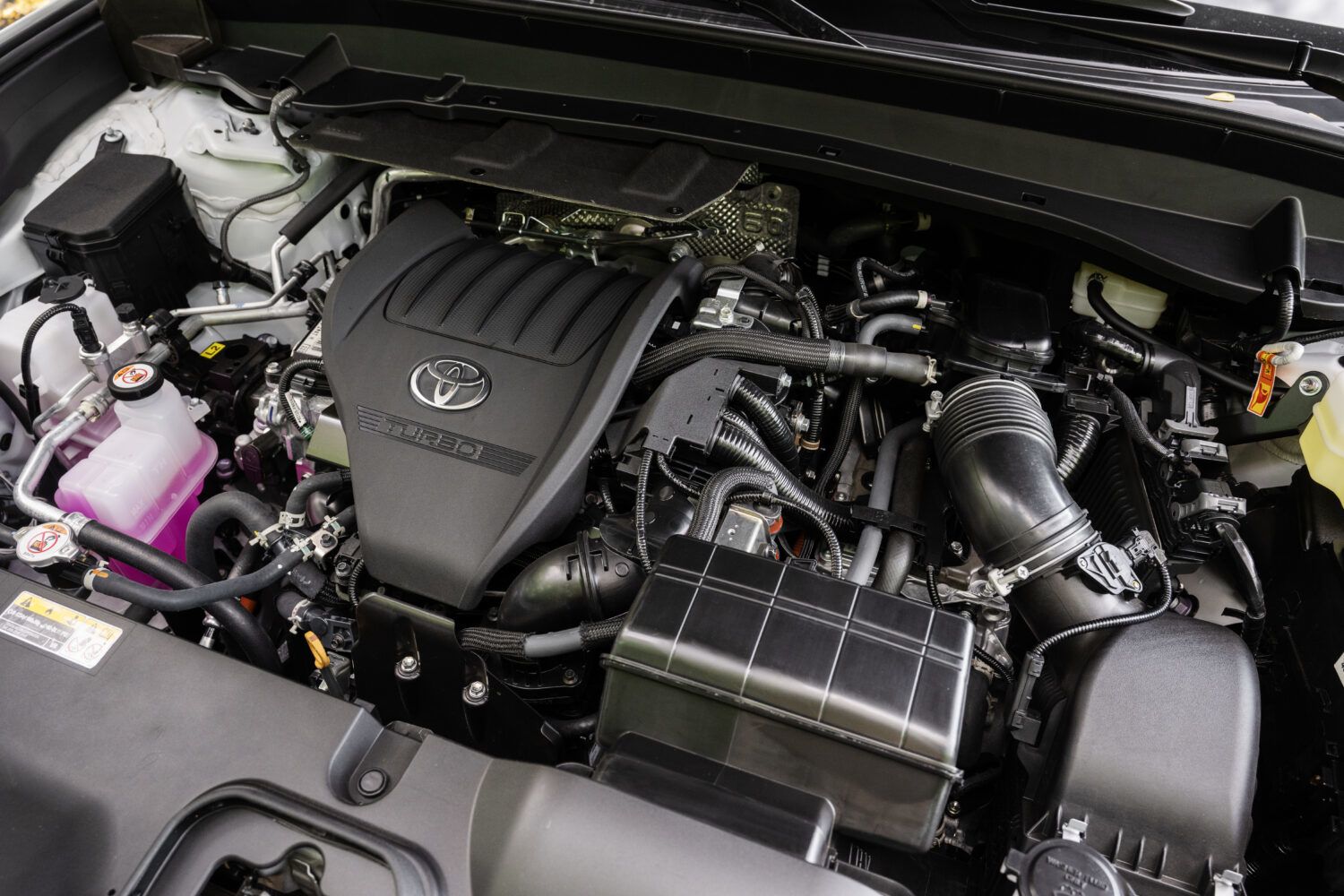
Engine oil is the first fluid to look at. If you are due for an oil change, do it before the trip rather than after. Fresh oil provides better protection during sustained highway driving in summer heat. Beyond oil, work through the full list: coolant level and condition, brake fluid, transmission fluid, power steering fluid if applicable, and windshield washer fluid.
Coolant deserves specific attention in summer. Check the level, inspect the hoses for cracks or softness, and confirm the coolant is not due for replacement. Overheating in stop-and-go traffic with a full vehicle is avoidable - and the fix is almost always cheaper before the trip than during it.
3. Inspect All Five Tires, Including the Spare
Tire pressure, tread depth, and sidewall condition are all worth checking before a long drive. Under-inflated tires affect fuel economy, handling stability, and heat buildup on the highway. None of those are things you want with a loaded vehicle. Check pressures cold, using the placard on the driver's door jamb rather than the figure printed on the tire sidewall.
Run a quick visual on each tire for uneven wear, cracks, or bulges. If tread depth is low or wear is uneven, have the tires rotated or replaced before the trip. The spare often gets overlooked. Check its pressure and condition too, so it is actually usable if you need it.
4. Test the Battery and Charging System
Summer puts additional load on a vehicle's electrical system. Air conditioning, infotainment, device charging ports, and rear entertainment systems all draw power simultaneously, and a battery that was marginal through winter may not hold up under that combined demand on a hot day.
If your battery is more than three years old or you have noticed slow cranking on startup, ask the team at Orangeville Toyota to test it as part of your pre-trip inspection. Cleaning any visible corrosion from the terminals takes a few minutes and can prevent a no-start situation far from home.
5. Check Brakes, Lights, and Wipers
Brakes wear gradually and unevenly, so they can feel fine around town while being genuinely short on capacity for a mountain descent or emergency stop on the highway. Have brake pads, rotors, and brake fluid inspected before a long trip, particularly if you have not had them checked recently.
Before leaving, do a quick walkaround with a helper: headlights, brake lights, turn signals, and hazard flashers. Replacing a burned-out bulb takes minutes at home and considerably longer - and more money - at a roadside shop. Wiper blades are easy to overlook until a summer rainstorm hits at highway speed. If yours are streaking or chattering, replace them and top up the washer fluid before you go.
6. Test Your Air Conditioning and Cabin Air Filter
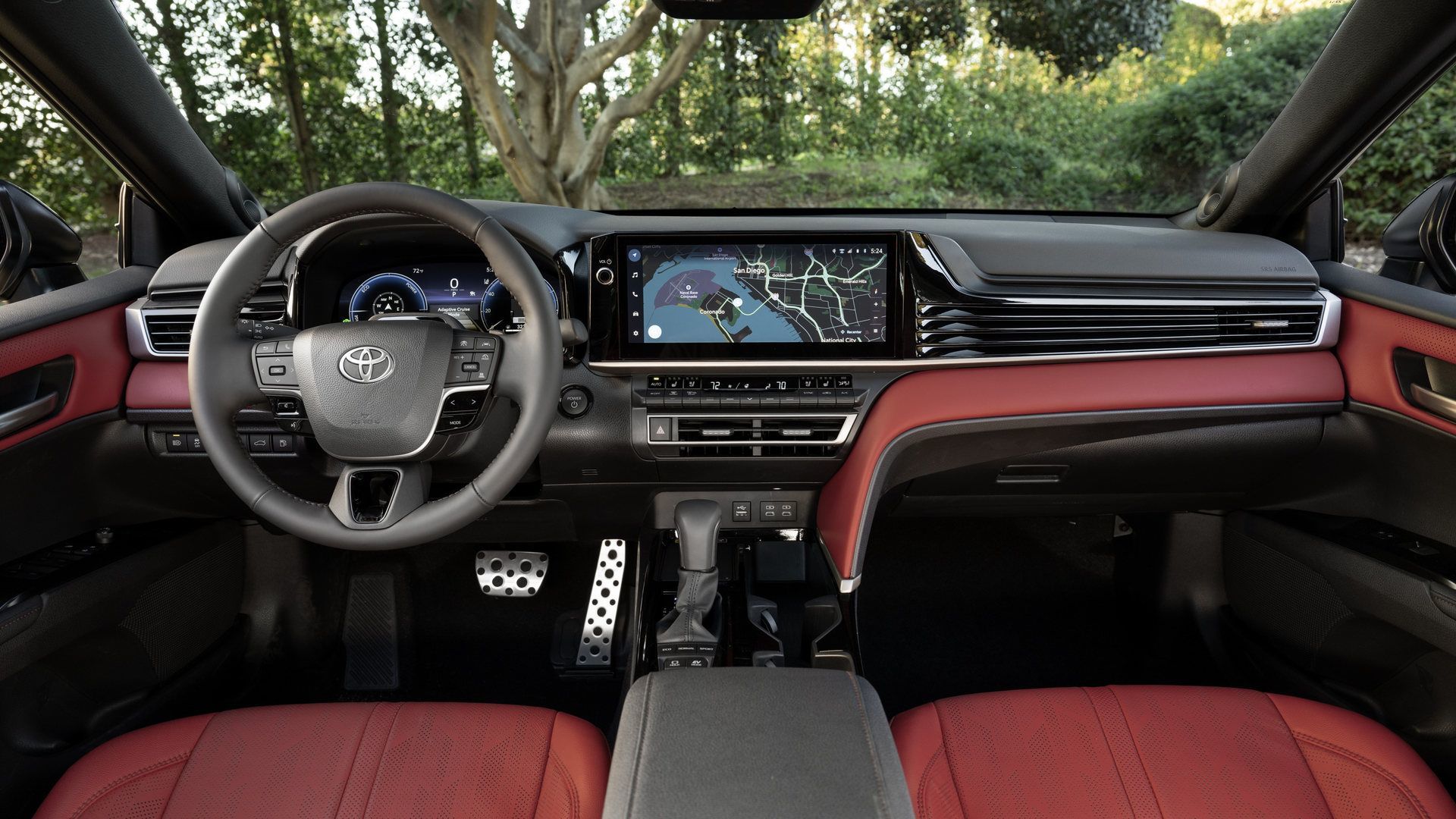
Test the air conditioning with the engine running before the trip, not the morning you leave. You want consistent, cold airflow from all vents. If the air is not as cold as it should be or takes a long time to cool the cabin, have the system inspected at Orangeville Toyota's service department before departure.
The cabin air filter affects both airflow volume and interior air quality. If it is clogged, which it often is by late spring after a full winter of use, replacing it is a straightforward job that improves comfort noticeably, especially on long drives with the windows up.
7. Protect Your Toyota's Exterior and Interior
A thorough wash and wax before a summer road trip does more than make the vehicle look good. Wax provides a layer of protection against UV exposure, tree sap, road tar, and the insect residue that accumulates on long highway drives, all of which can damage paint if left to bake in the sun.
Inside, use a sunshade when parked to keep the interior temperature down and reduce UV damage to the dashboard and seats. Wiping down interior surfaces before departure and keeping a small cleaning kit in the vehicle makes it easier to deal with spills and grime along the way.
8. Pack a Smart Emergency and Comfort Kit
A well-stocked kit takes up minimal space and covers a wide range of situations. At minimum: water, non-perishable snacks, a first-aid kit, a flashlight with fresh batteries, jumper cables, basic tools, a tire inflator or repair kit, and a reflective warning triangle.
For summer specifically, add sunscreen, hats, and an extra layer for air-conditioned stops or cooler evenings. If you are travelling with kids, hand sanitizer and a small cleaning kit belong in the kit too. Keep heavy items low in the cargo area and ensure anything in the cabin is secured so it cannot shift during braking.
9. Set Up Your Tech and Connected Services Before You Leave
Update your navigation maps before the trip, whether you are using the built-in Toyota Multimedia system or a smartphone app. Download offline maps as a backup for areas with limited data coverage - cottage country and the Bruce Peninsula both have gaps.
Pair your phone with the Toyota Multimedia system in the driveway so you are not fumbling with Bluetooth settings while merging onto the highway. If your Toyota is equipped with Toyota Safety Sense features such as Dynamic Radar Cruise Control, Lane Departure Alert, or Pre-Collision System, review how they work before you need them. Knowing what the system does and when it activates makes it far more useful as a driving aid.
10. Plan for Driver and Passenger Comfort Along the Way
The vehicle preparation matters, but so does the plan for the people inside it. Take a break every two hours on long drives, rotate drivers when possible, and stay hydrated. This matters especially on hot days when dehydration sets in faster than most people expect.
For families with younger passengers, set up entertainment before leaving: downloaded playlists, audiobooks, tablets with headphones, and chargers for the trip. Ontario's summer destinations reward the journey when everyone arrives rested rather than worn out. A little planning before you leave makes that considerably easier to pull off.
Ready to Roll? Start at Orangeville Toyota
A quick visit to Orangeville Toyota's service department covers most of the technical items on this list in one appointment. The team is ready to inspect brakes, battery, tires, fluids, filters, and air conditioning - everything your Toyota needs before you put serious kilometres on it this summer. Book your pre-trip inspection in Orangeville and head out with one less thing to think about.
You might also be interested in these blogs: