A good set of winter tires starts with a little homework. The right purchase for your Toyota depends on its exact model, grade, wheel size and equipment, and getting one of those details wrong can mean tires that do not fit, a warning light on the dash, or a set that wears out early.
This buying guide from Orangeville Toyota walks you through the process in order, from finding your factory tire size to storing your off-season set. Follow these seven steps, and you will arrive at the counter ready to choose winter tires that suit your Toyota and the drives you make every week, from downtown Orangeville to the rural roads across Dufferin County.
Step 1: Identify Your Exact Toyota
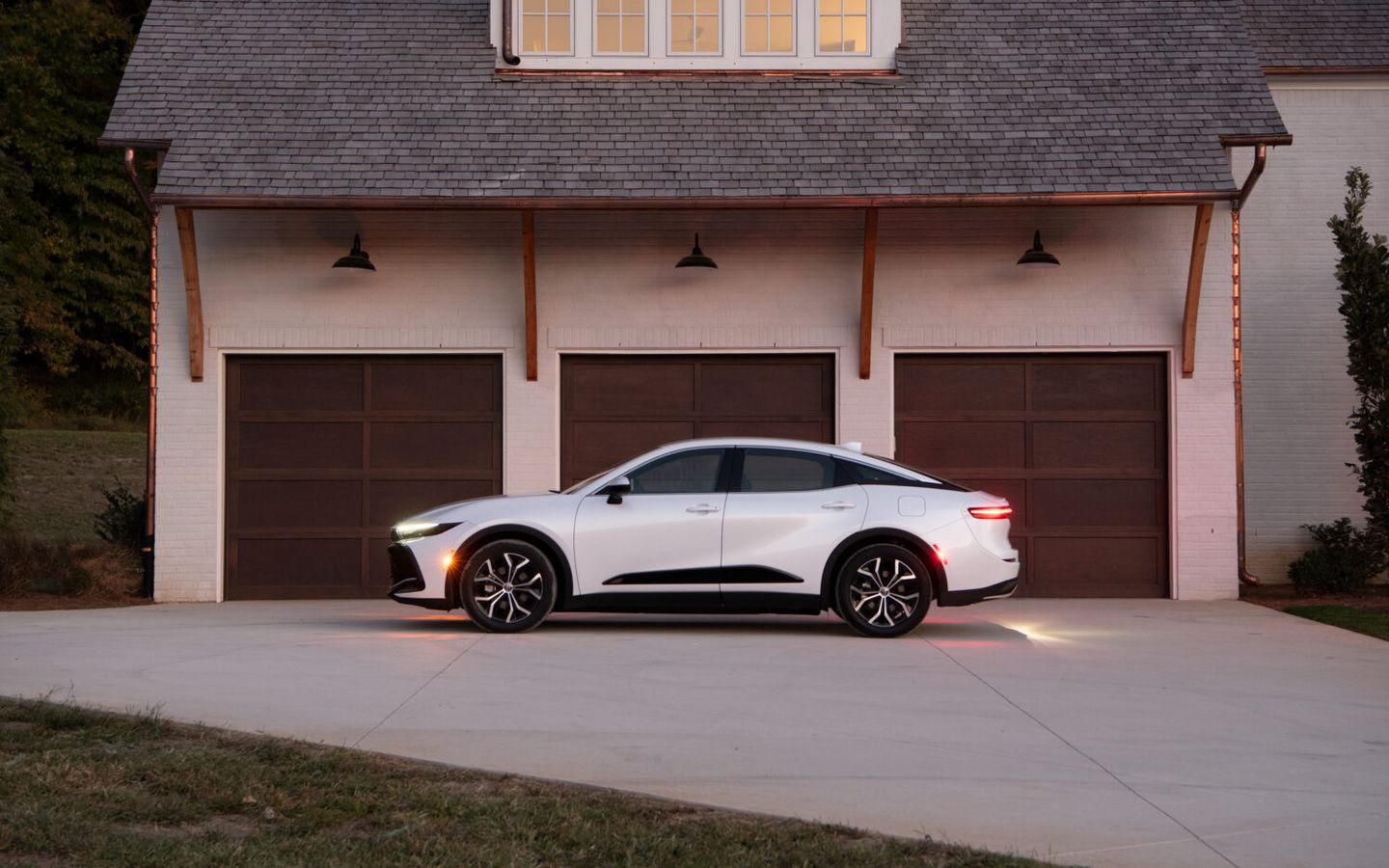
Start with the vehicle itself. Toyota Canada’s owner’s manual portal uses your vehicle’s production date to match the correct manual, and that date appears on the compliance label on the driver’s door or door frame. Manuals are offered for most Toyota vehicles built in 2008 or later.
Your manual and the tire information label on the driver’s door edge or post are the two references you will use through the rest of this guide. Keep them handy.
Step 2: Find Your Factory Tire Size
Toyota recommends keeping your original-equipment tire fitment when you buy winter or replacement tires. The company says original sizes were chosen with performance, safety and fuel efficiency in mind. That is important because sizes change from one grade to the next, even within the same model.
|
Toyota Model and Grade
|
Factory Tire Size
|
|
2026 RAV4 LE
|
P235/65R17
|
|
2026 RAV4 XLE, XLE Premium, Limited
|
P235/60R18
|
|
2026 RAV4 Woodland
|
P235/65R18
|
|
2027 C-HR SE and XSE
|
P235/60R18
|
|
2027 C-HR XSE Premium
|
P235/50R20
|
|
2027 Corolla Hatchback (base)
|
P195/65R15
|
|
2027 Corolla Hatchback SE Plus
|
P205/55R16
|
|
2027 Corolla Hatchback SE Upgrade and XSE
|
P225/40R18
|
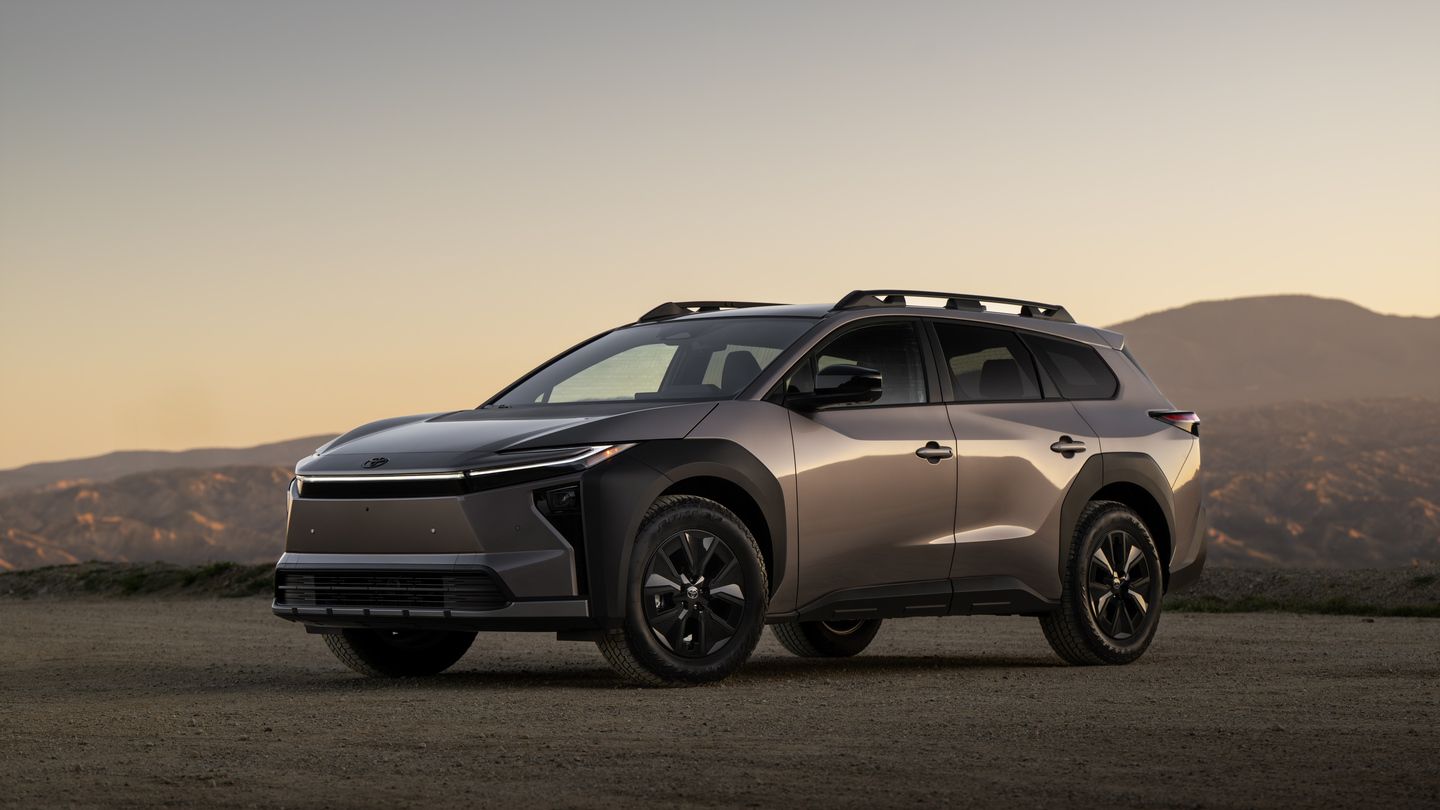
Tire choice even shows up in Toyota’s own ratings. The 2027 bZ Woodland is rated for up to 452 km of range, or 418 km when equipped with its optional All-Terrain tires. It is a clear reminder that tires are part of how your Toyota was engineered.
Step 3: Decode the Sidewall Before You Compare
Every tire carries a code that tells you exactly what it is. Transport Canada uses P205/55R16 89V as an example:
- P means passenger tire, and 205 is the section width in millimetres
- 55 is the sidewall height as a percentage of the width, and R means radial construction
- 16 is the wheel diameter in inches
- 89 is the load index, and V is the speed rating
Transport Canada recommends that replacement tires match the original size, load capacity and speed rating. TRAC’s technical guidance adds that the load index is a code for maximum load, so it needs to meet your vehicle’s requirement. Your owner’s manual confirms what your specific Toyota needs.
Step 4: Pick a Tire Type and Buy All Four
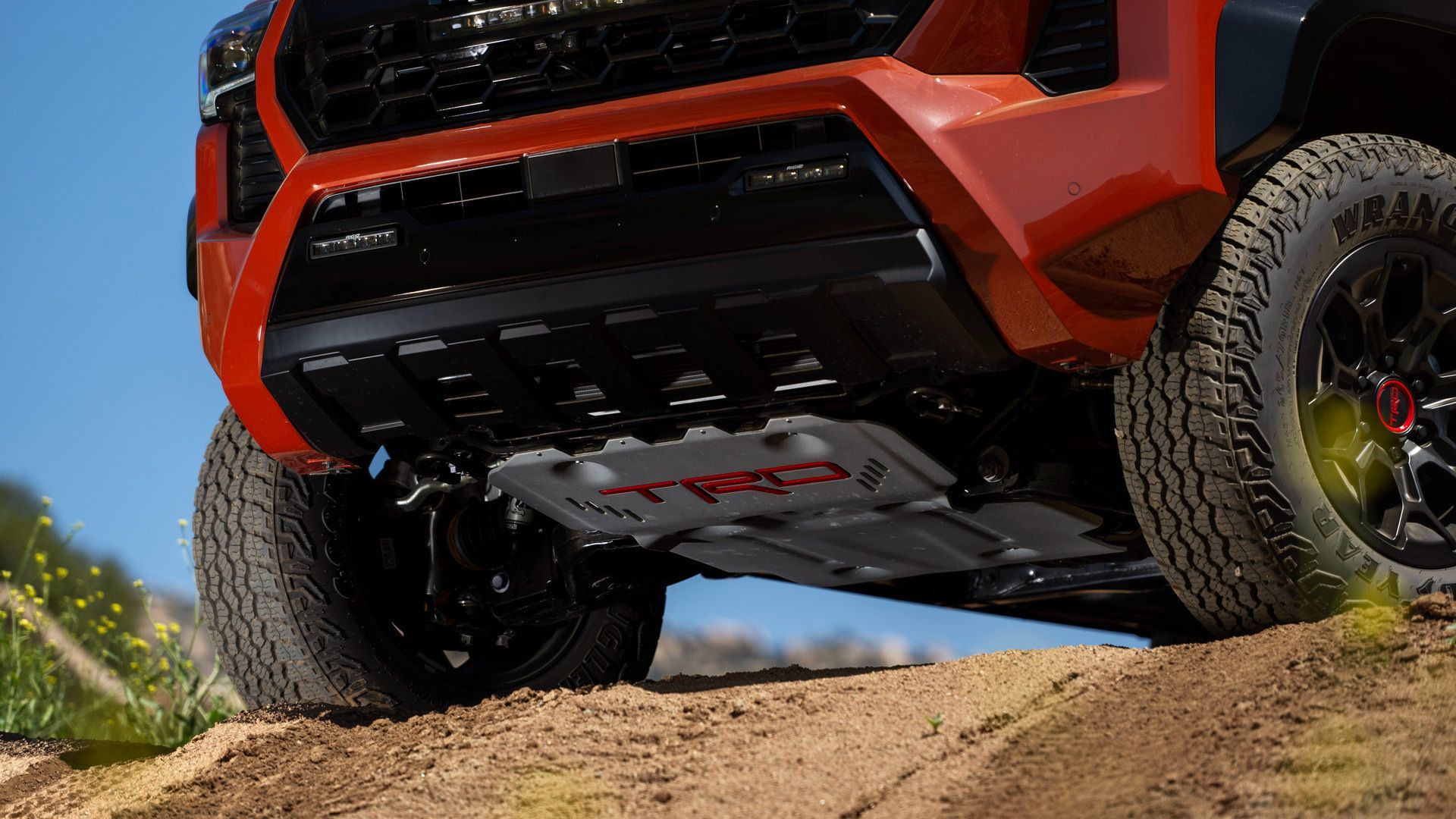
For the cold months, look for the three-peak mountain snowflake (3PMSF) symbol. Transport Canada says it marks tires that meet specific snow-traction requirements for severe snow conditions. TRAC recommends dedicated winter tires for the best winter performance, and Ontario’s Ministry of Transportation says winter tires can shorten braking distances by as much as 25%.
Then buy a full set. Transport Canada’s winter guidance calls for four tires of the same type, size, speed rating and load index, and it warns that mixing tread patterns, internal construction or sizes hurts stability. Two winter tires paired with two all-season tires leave your Toyota with uneven grip front to rear.
Step 5: Look at a Toyota Winter Tire Package
Toyota’s Ontario accessory listings include winter tire packages for specific models. The 2026 RAV4 LE, for example, lists a 17-inch Alloy Wheel Winter Tire Package that can be configured with Genuine Toyota Alloy Wheels, and some models offer both steel and alloy wheel packages.
Package contents and fit vary by model and grade, so ask the Orangeville Toyota team to confirm the package built for your vehicle before you order. A second set of wheels also makes each spring and fall changeover faster.
Step 6: Plan for Your Tire Pressure Monitoring System
Many current Toyota models come with a Tire Pressure Monitor System as standard equipment, including the 2027 bZ, the 2027 bZ Woodland and the 2027 Corolla Hatchback. If you run winter tires on a second set of wheels, the sensors and registration steps depend on your specific model. Your owner’s manual explains how your system works, and our service team will set up your winter wheels correctly during installation.
Transport Canada also reminds drivers that TPMS does not replace regular pressure checks with a gauge.
Step 7: Check the Build Date, Then Book Installation and Storage
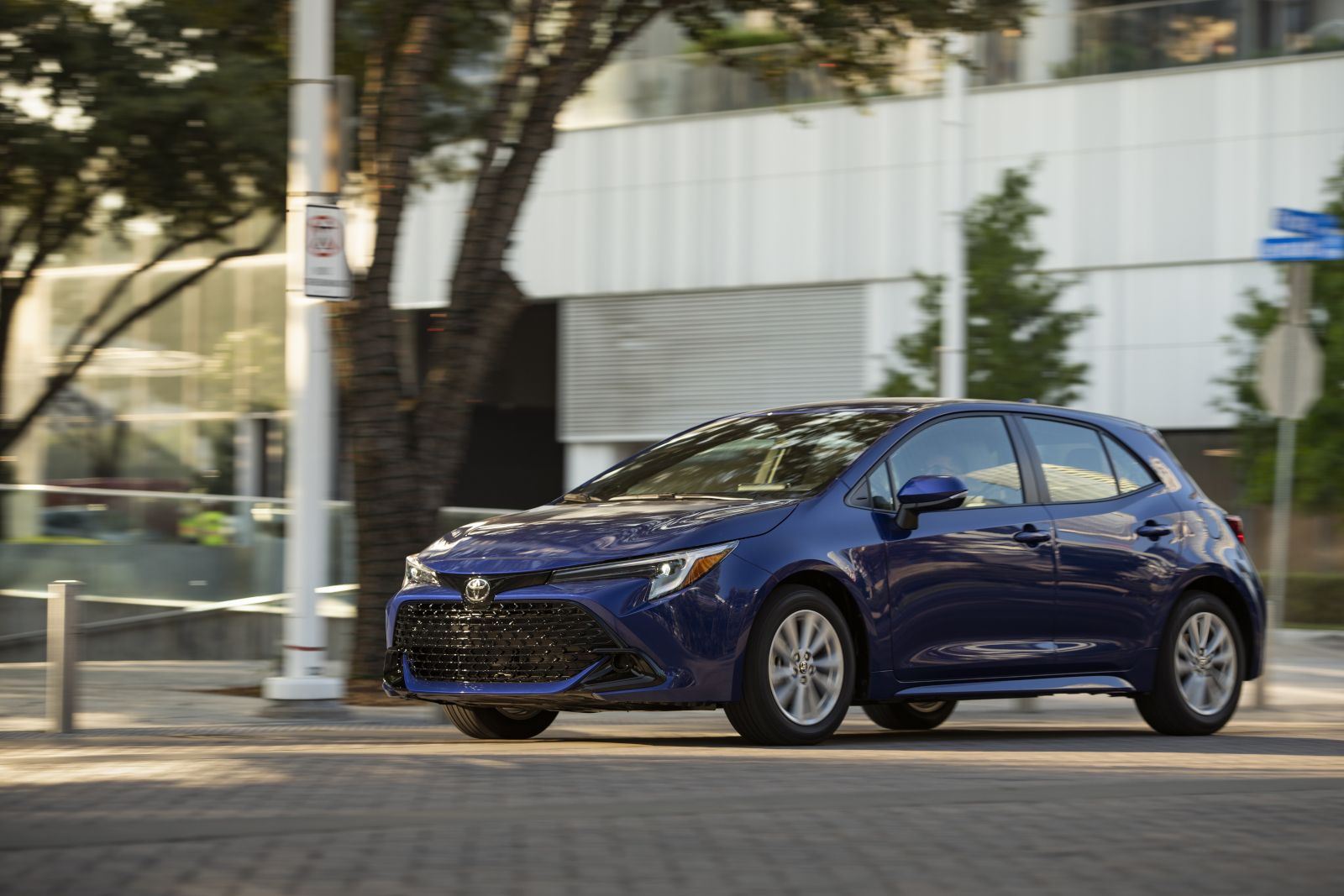
Before you sign off on a set, read the date code. TRAC explains that the last four digits of the tire identification number show the week and year of manufacture. A code of 2602, for example, means week 26 of 2002.
After installation, plan where your off-season tires will live. Transport Canada says to store tires upright in a clean indoor space, away from sunlight, strong artificial light, heat, motors and fuels. And if you want to save on insurance, ask your insurer about its winter tire discount. Ontario requires insurers to offer one for private passenger vehicles, and each company sets its own qualifying rules.
Your Winter Tire Buying Checklist
|
Step
|
What to Confirm
|
Where to Find It
|
|
1
|
Production date and correct manual
|
Driver’s door or door frame label
|
|
2
|
Factory tire size for your grade
|
Tire information label, owner’s manual
|
|
3
|
Load index and speed rating
|
Tire sidewall, owner’s manual
|
|
4
|
3PMSF symbol on all four tires
|
Tire sidewall
|
|
5
|
Winter tire package fit
|
Orangeville Toyota parts and service team
|
|
6
|
TPMS setup for your second set
|
Owner’s manual, our service team
|
|
7
|
Build date and storage plan
|
Last four digits of the tire ID number
|
Get Your Winter Set Sorted at Orangeville Toyota
You now have the full checklist, so the next step is putting the right set on your vehicle. Book a winter tire consultation with the parts and service team at Orangeville Toyota, and we will confirm your size, package options and TPMS setup for your exact Toyota. Stop by our Orangeville dealership to get your winter tires ordered, mounted and ready for Dufferin County roads.