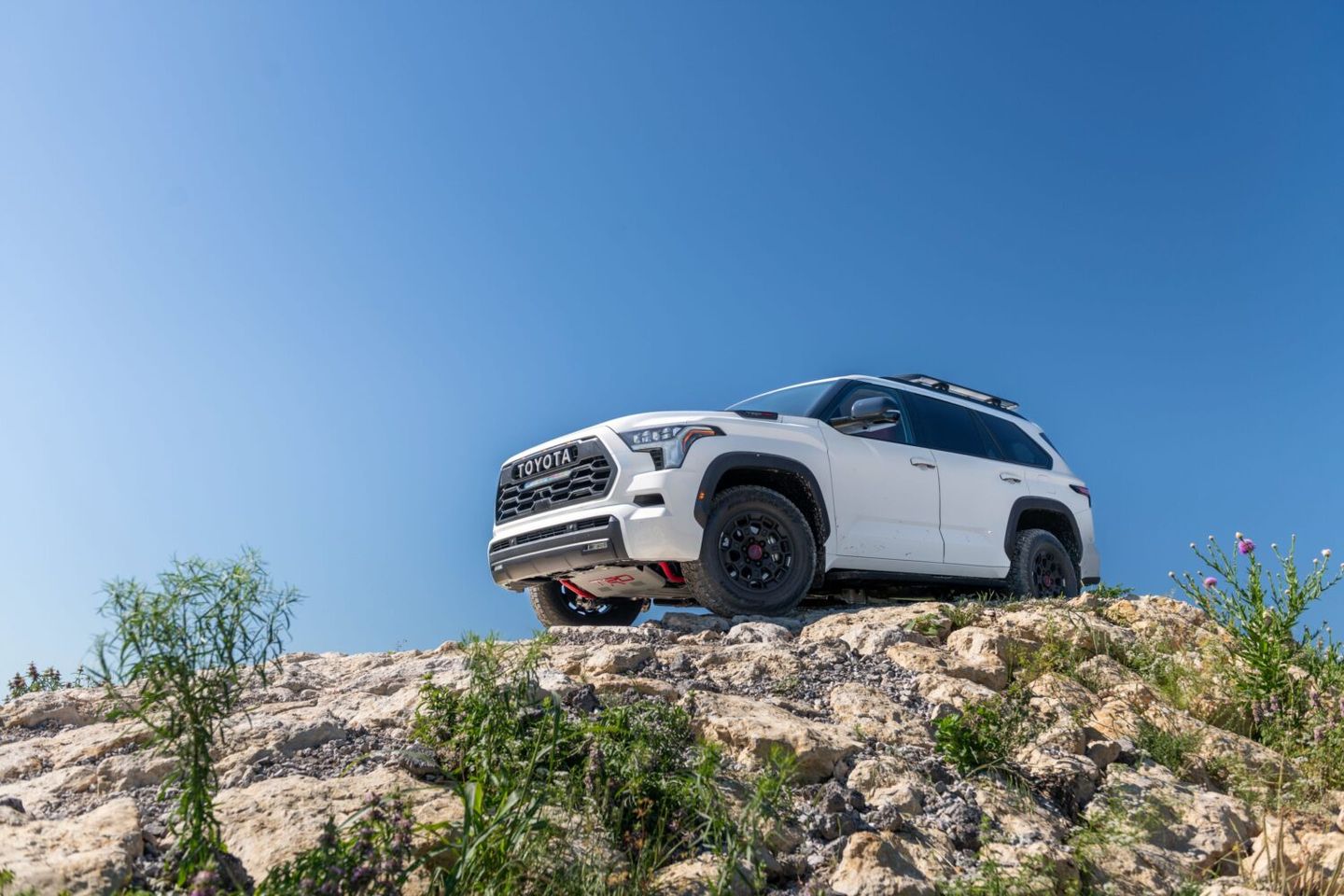
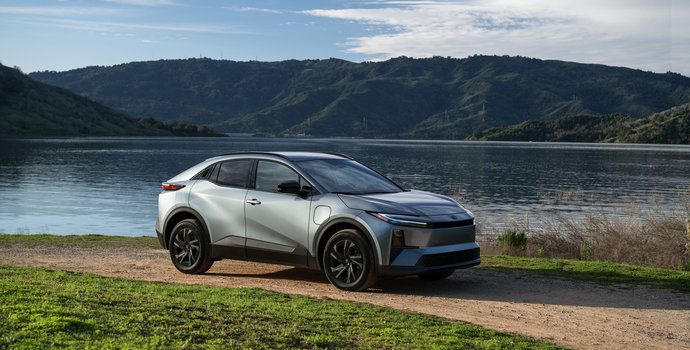
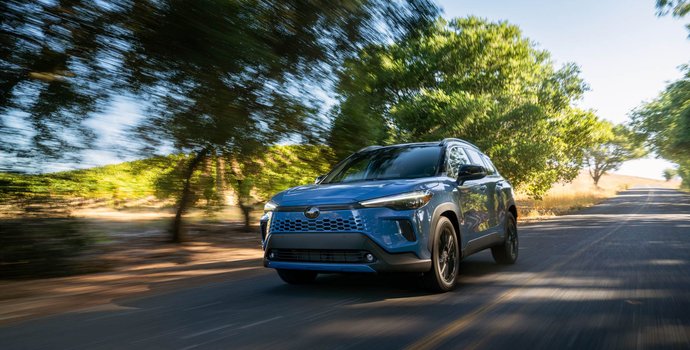
Keeping a new SUV running well starts with knowing what the factory service plan actually asks of you. For Ontario drivers dealing with gravel roads, salt, and stop-and-go traffic, that plan matters more than a glovebox sticker.
This guide walks through how often a 2026 Toyota SUV needs service, what happens at each visit, and how the gas, hybrid, and electric versions compare.
Shop New Toyota SUV
How Often Does a 2026 Toyota SUV Need Service?
Toyota’s factory-recommended schedule for 2026 models calls for a visit every 8,000 km or 6 months, whichever comes first. That rhythm runs from the first service at 8,000 km / 6 months out to 120,000 km / 90 months.
Through that span, the schedule rotates through three service levels. Each level builds on the last, so the deeper inspections show up on a set cadence rather than at every single visit.
This applies across the 2026 Toyota SUV lineup, whether the vehicle runs on gasoline, a hybrid system, or a plug-in hybrid setup. A separate but similarly structured e-Maintenance schedule covers battery-electric models.
What Gets Checked at Every Visit?
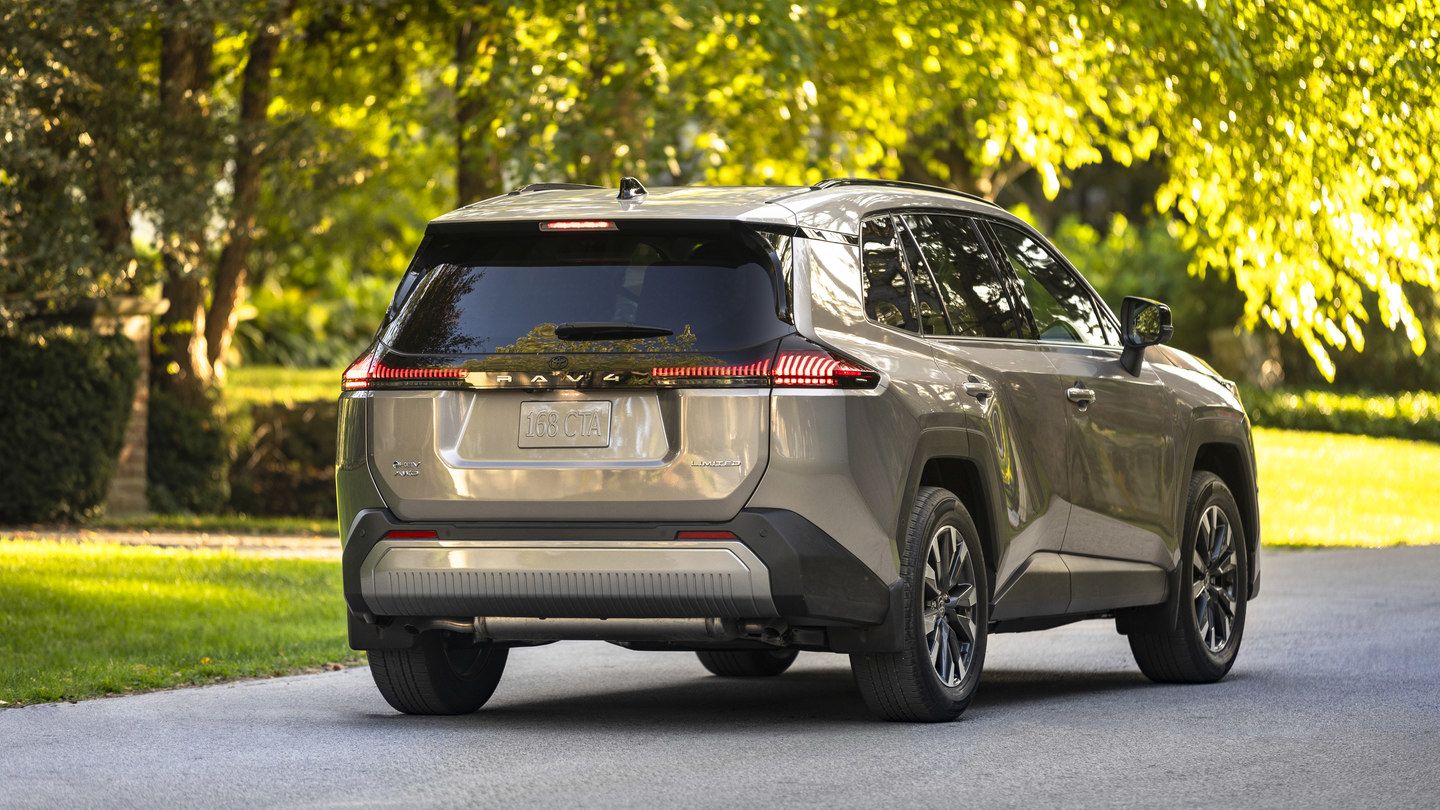
Every visit in the rotation, regardless of level, covers a shared set of inspection points. Technicians check the lights and horn, the wiper blades and washers, and tire tread depth for damage or uneven wear.
Brake pads, calipers, rotors, and lines get a visual inspection, and tires are rotated where wheel sizes match front to rear. The cabin air filter is pulled and checked, and on models with a combustion engine, the engine air filter is inspected too.
Fluid levels get a leak check across engine oil, brake fluid, coolant, and other applicable systems, with washer fluid topped up. On hybrid and plug-in hybrid SUVs equipped with one, the hybrid battery cooling intake filter is visually checked and cleaned if needed. Every visit ends with a maintenance reminder reset.
Do the Deeper Service Levels Add More?
Yes. The second service level, which lands at 16,000 km / 12 months, adds an oil and filter change plus a broader mechanical check. That includes the exhaust system, steering and suspension components, ball joints, driveshafts, and drive belts, along with lubrication of locks, latches, and hinges.
The third level, at 32,000 km / 24 months, goes further still. Brake calipers or drums come off for a full inspection and measurement of pads, rotors, and drums. This level also covers the fuel system, an audible valve clearance check, and a 12-volt battery health check, and it’s when the hybrid battery cooling intake filter gets cleaned rather than just inspected.
That three-level pattern then repeats through the full 120,000 km / 90 month schedule, so owners see the same progression of light, medium, and deep visits on a predictable loop.
Are Gas and Hybrid SUVs Serviced the Same Way?
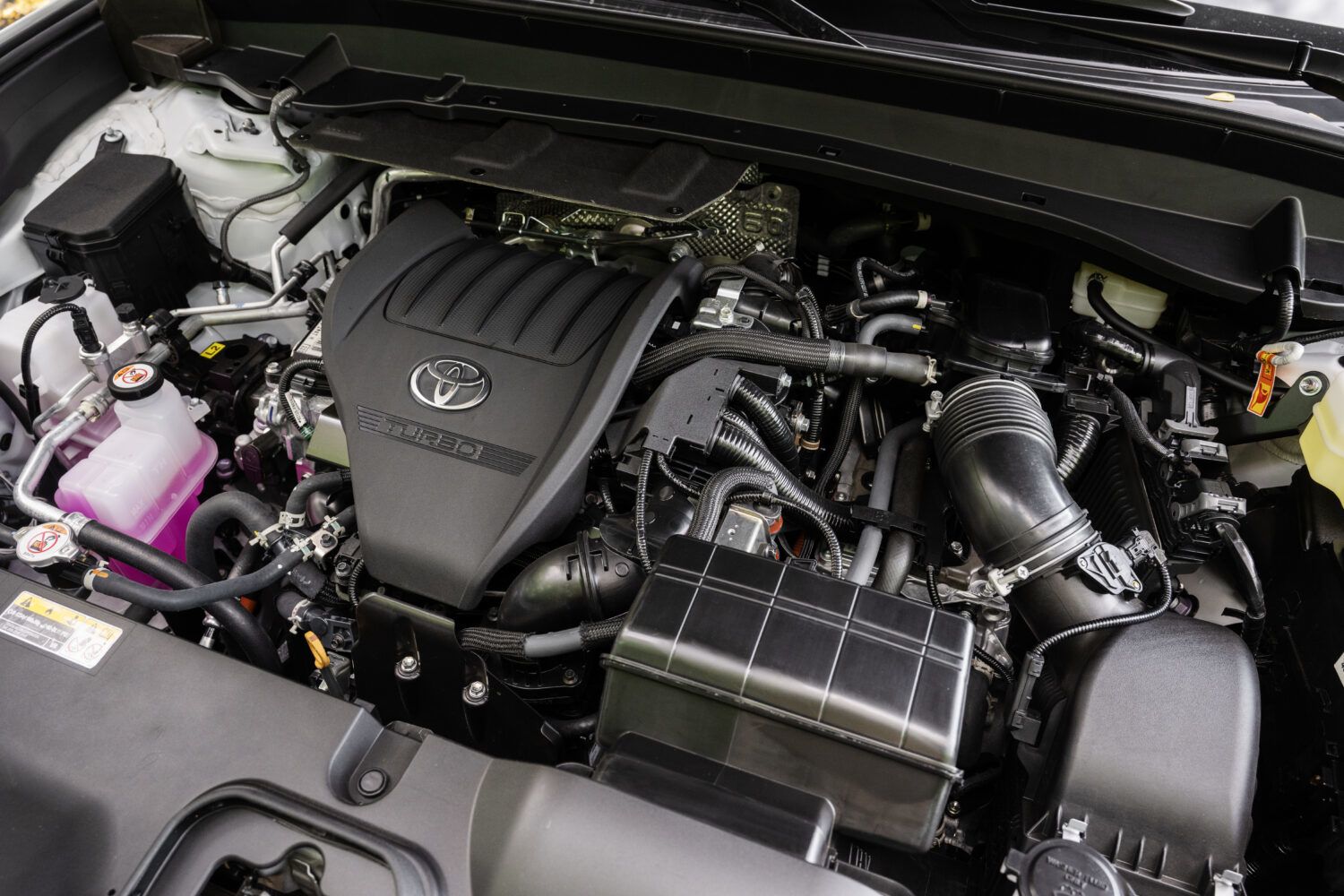
Gasoline and hybrid 2026 Toyota SUVs share the same schedule structure and the same checklist at each interval. The core inspection items, oil changes, and mechanical checks line up closely between the two.
The difference shows up in a few hybrid-specific lines: the hybrid battery cooling intake filter inspection and cleaning, called out separately wherever the vehicle is equipped with one. Everything else on the checklist reads the same for both powertrains.
Does the Electric SUV Follow a Different Plan?
A battery-electric Toyota SUV runs on its own e-Maintenance schedule, though the interval pattern still follows the same 8,000 km / 6 month rhythm through 120,000 km / 90 months in three service levels.
The checklist shifts to match the vehicle. Instead of oil changes or engine air filter checks, the EV schedule focuses on tires, brakes, and suspension components, along with leak checks for the coolant lines serving the traction battery, eAxles, inverters, and converters. Cabin air filter replacement happens at the 12-month visit, and a 12-volt battery health check and eTransaxle fluid check appear at the 24-month visit.
What Can Push a Vehicle Off the Standard Schedule?
Certain driving habits and specific climate or regional conditions can call for services beyond the standard checklist. A technician may recommend additional work at a visit to protect components from premature wear, based on what the inspection turns up.
Quick-Answer Summary
|
Question
|
Short Answer
|
|
Base interval
|
8,000 km or 6 months
|
|
Full cycle length
|
120,000 km / 90 months
|
|
Number of rotating service levels
|
Three
|
- Gasoline and hybrid SUVs share one checklist structure, with hybrid-specific filter checks noted separately.
- Plug-in hybrid SUVs follow the same interval pattern as gas and hybrid models.
- Battery-electric SUVs use a separate e-Maintenance schedule built around the same interval rhythm.
Planning Ownership Around the Schedule
Between visits, a quick walk-around helps catch problems early: watch for uneven tire wear, listen for new noises, and note any dashboard warning lights. These simple checks complement the scheduled inspections rather than replace them.
Keeping service records together matters too, especially if the SUV changes hands later. A complete history reassures a future buyer that the schedule was followed as intended.
The exact checklist and hybrid-specific items can vary by trim and equipment, so confirming the correct schedule for your specific 2026 Toyota SUV is worth doing before your first visit.
Booking Your 2026 Toyota SUV’s Next Service
A factory-built schedule only pays off when it’s followed consistently, and Ontario’s mix of highway driving, winter roads, and daily commuting makes that consistency worth planning for.
Visit Orangeville Toyota in Orangeville to confirm the correct maintenance interval for your SUV’s powertrain and driving conditions, and book your next scheduled visit with the service team.
You might also be interested in these blogs: