Fall is the season electrified drivers tend to underestimate. Mornings dip toward freezing, afternoons climb back to shirt-sleeve weather, and the range estimate on the dash starts moving around in ways it never did in July. Nothing has gone wrong. The battery, the cabin heater, and the tires are simply doing different work than they were a month ago.
Fall is also the easiest time to get ahead of it. The habits that protect range and fuel economy in January are the same ones worth building in October, when the stakes are low and there is room to experiment. Here is what actually changes as temperatures fall, and what Toyota’s electrified lineup already does about it.
Range Starts Changing Long Before Winter Does
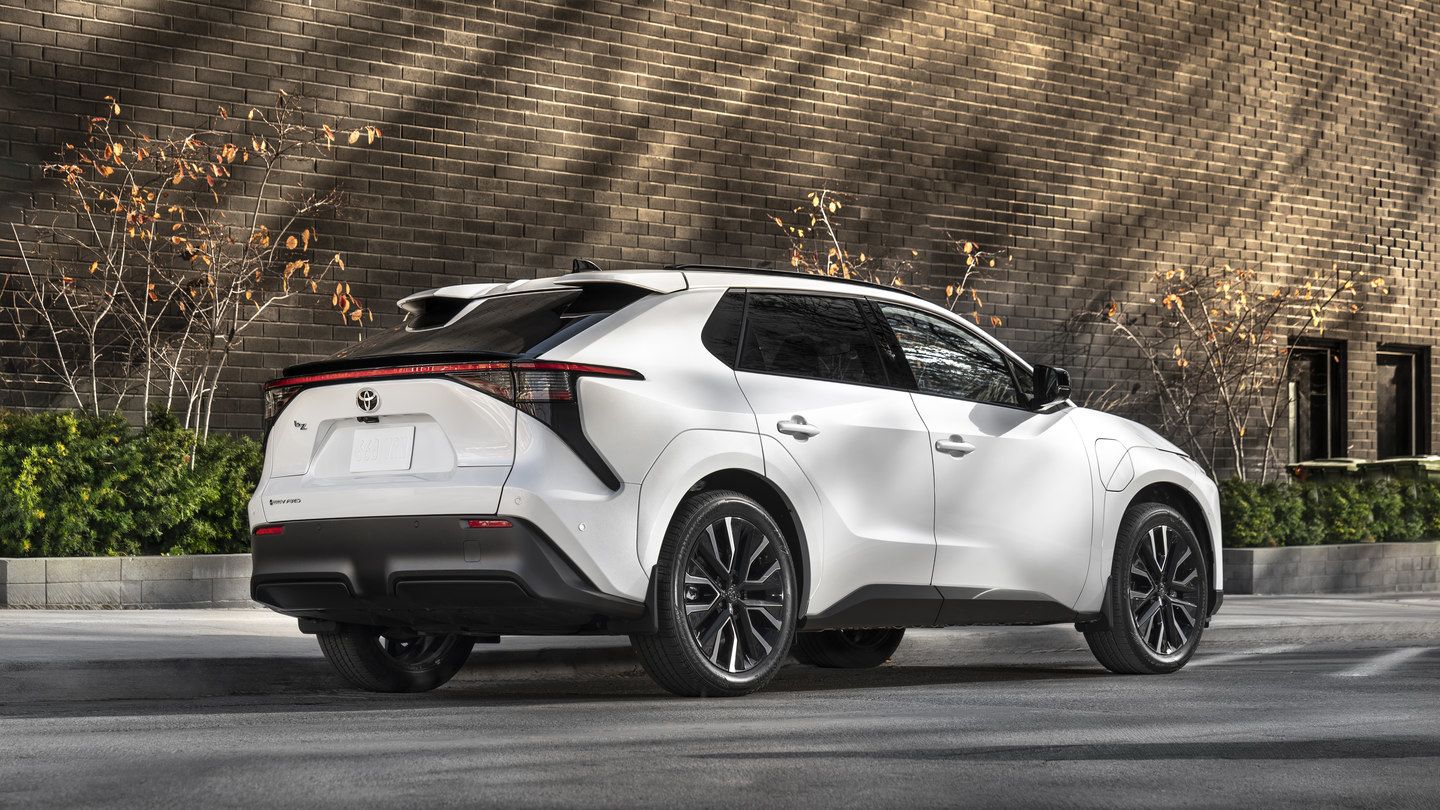
Cold-weather range loss does not wait for snow. Research from Recurrent, reported by CBC, found that electric vehicle range begins declining at roughly 4°C, and that across 18 popular EV models drivers retained an average of 70.3 percent of rated range in freezing conditions. The first real dip shows up on ordinary fall mornings, not during a deep freeze.
Gas and hybrid vehicles feel it too. Natural Resources Canada data cited in CAA’s cold-weather report shows a vehicle burns roughly 15 percent more fuel at -7°C than it does at 25°C. Short trips make that worse, because the engine spends a larger share of each drive warming up rather than cruising at an efficient temperature.
What Actually Pulls Energy Out of the Battery
Three things account for most of the change you will notice this season:
- Cabin heat. Warming the air inside the vehicle is the largest electrical draw in cold weather. An electric vehicle has no engine waste heat to borrow, so that energy comes straight from the pack.
- Battery temperature. A cold lithium-ion battery accepts and releases energy more slowly, which trims available range and slows DC fast charging until the pack warms up.
- Rolling resistance. Tire pressure drops as air cools, and denser cold air adds aerodynamic drag, so the vehicle works harder to hold the same speed.
Preconditioning Is the Habit That Does the Most Work
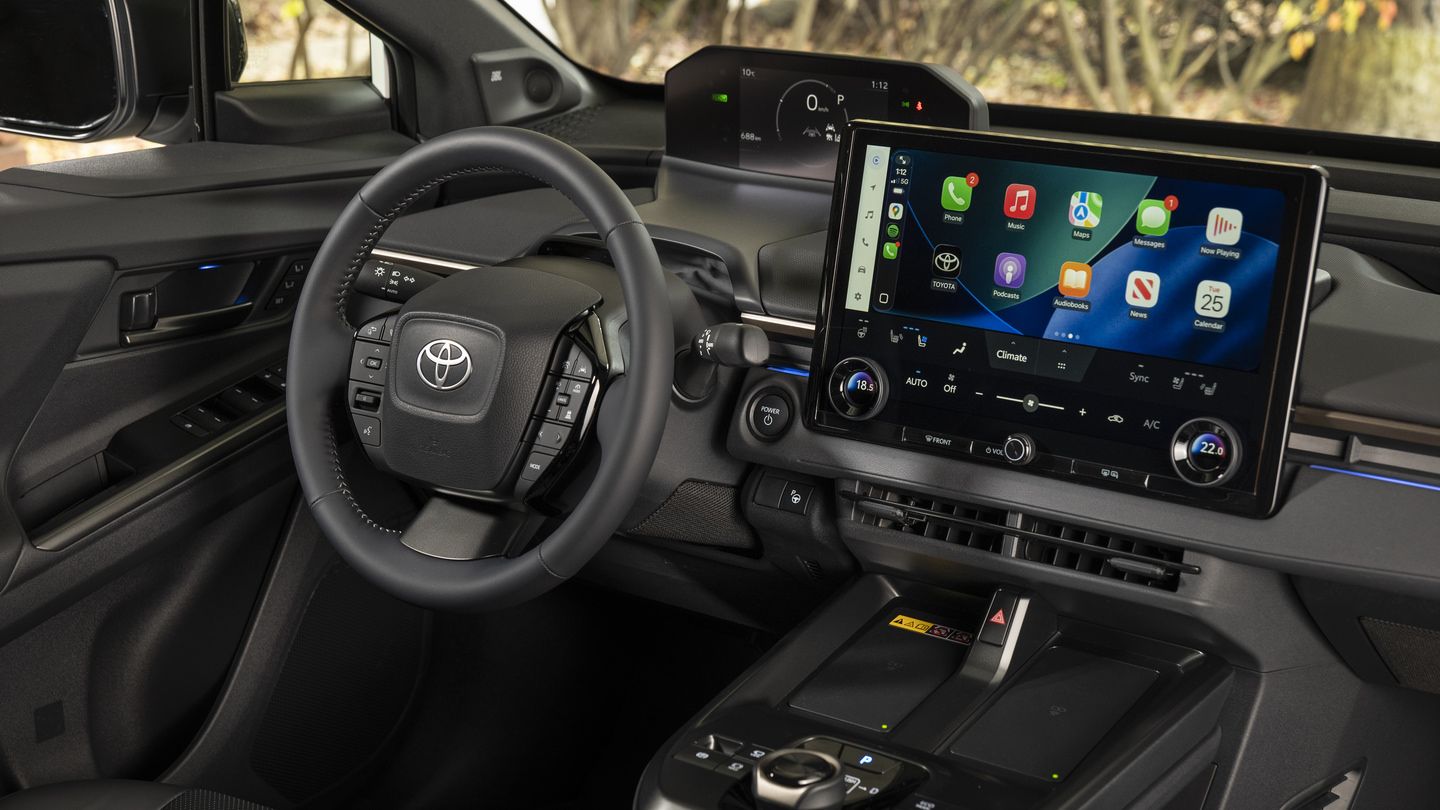
Preconditioning means warming the battery and the cabin while the vehicle is still plugged in, so that energy comes from the wall rather than from the pack. Twenty to thirty minutes before departure is a reasonable target on a cold morning, and it is the single most useful routine to build now.
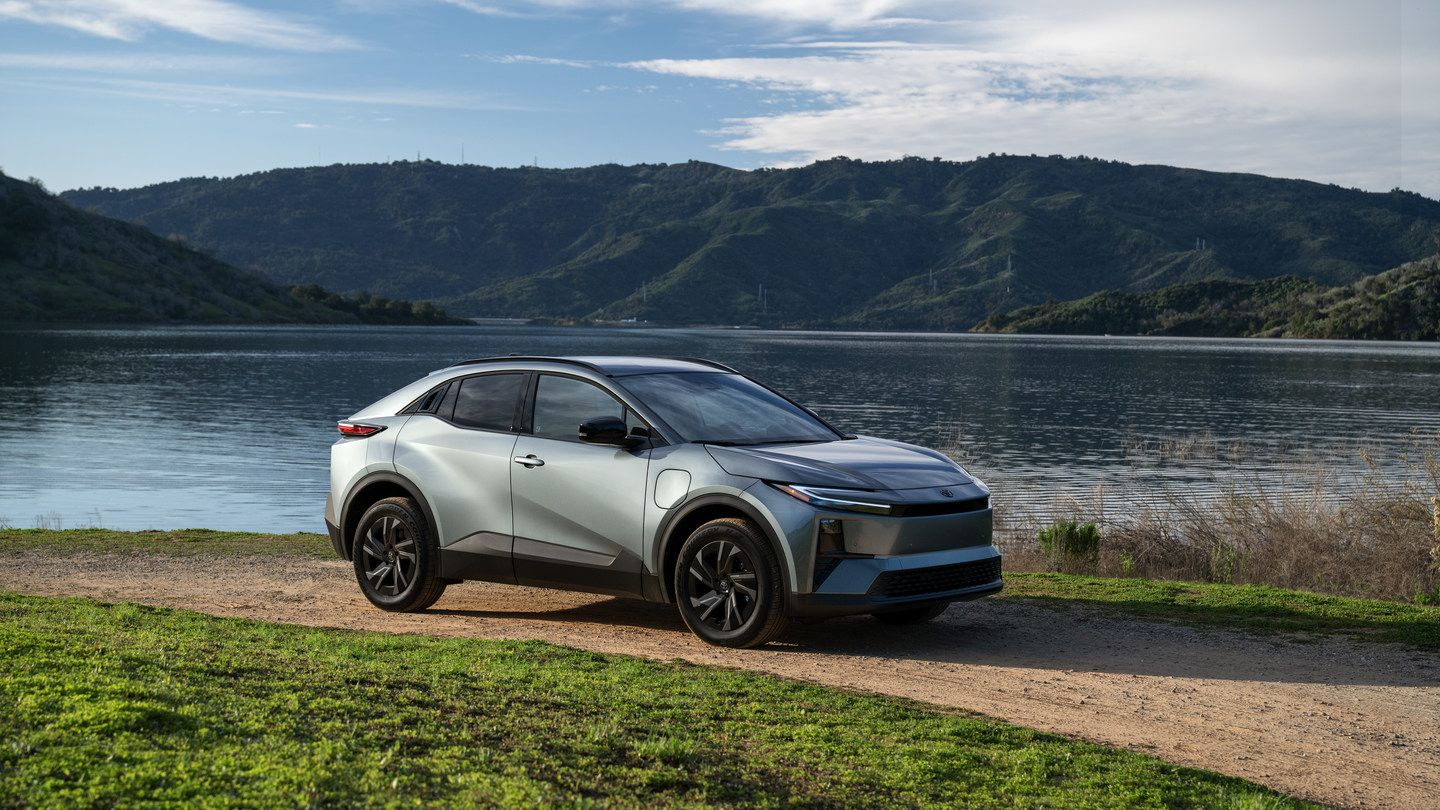
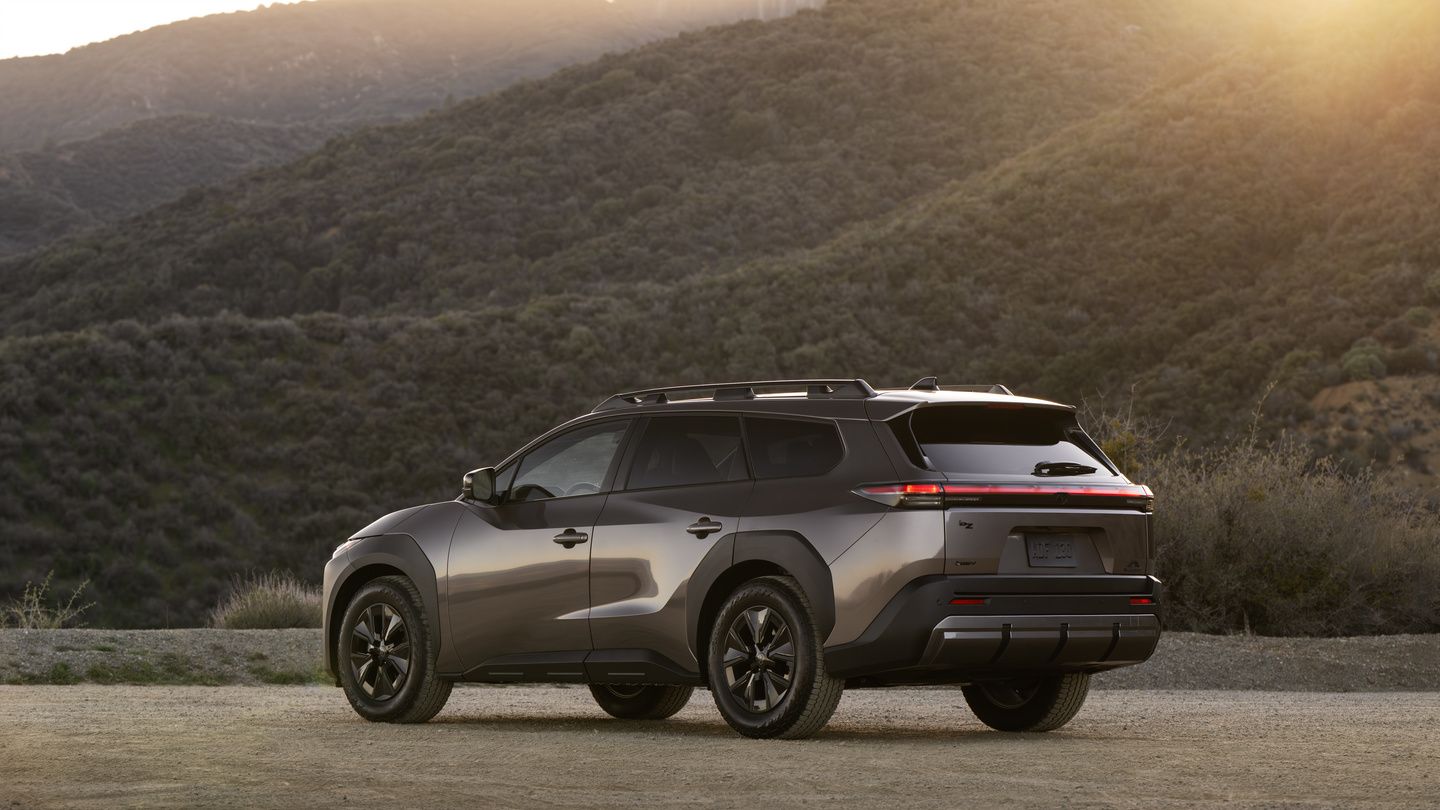
Toyota engineers this into the battery-electric lineup. Every 2026 bZ is fitted with a battery pre-conditioning system and a battery thermal management system, which enable faster charging in colder conditions. The 2026 bZ Woodland carries the same pre-conditioning feature, and it can be activated automatically by setting the navigation system destination to a fast-charging station with an active Drive Connect trial or subscription. The 2026 C-HR battery electric model includes a pre-conditioning function that brings the battery to an optimal temperature for DC fast charging, enabling faster charging in colder climates. The all-electric 2027 Highlander, expected to go on sale in late 2026, will include battery preconditioning as standard equipment.
Under ideal conditions on DC fast charging, the bZ, bZ Woodland, and C-HR all recharge from 10 percent to 80 percent in around 30 minutes. A preconditioned battery is what keeps a cold-weather session closer to that figure.
Warm the Driver Before You Warm the Cabin
Seat and steering wheel heaters warm you directly and draw far less energy than heating every cubic metre of air in the vehicle. Toyota makes that an easy habit to adopt, because the hardware is already standard. The 2026 bZ includes heated front seats and a heated, Softex-trimmed steering wheel on every grade. The 2026 bZ Woodland goes further with standard heated front seats, heated outboard rear seats, and a heated steering wheel, while the Premium grade adds a front radiant foot and leg heater. The 2026 C-HR SE includes heated front seats and a heated steering wheel as standard equipment.
Hybrids and Plug-In Hybrids Take a Different Path Through Fall
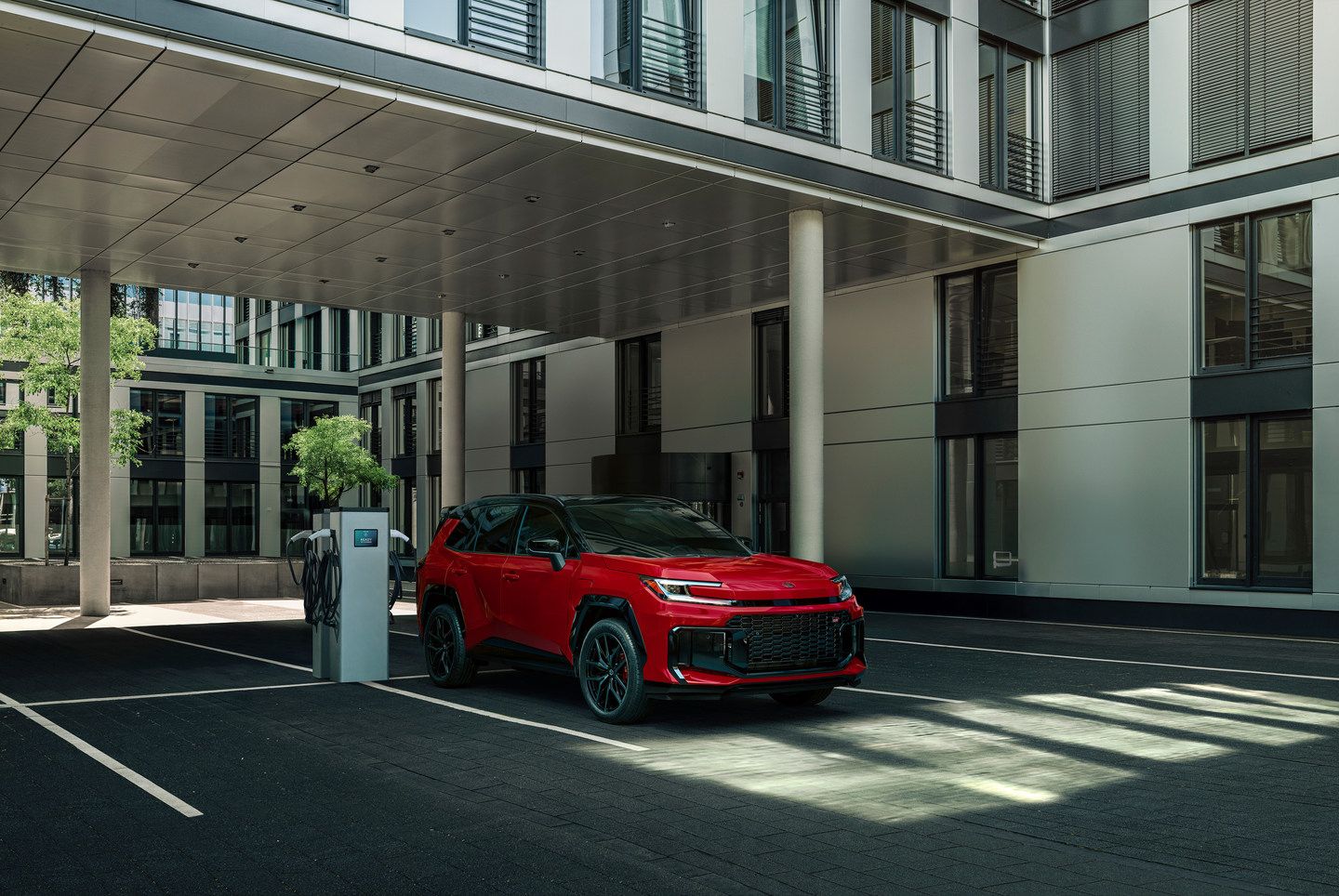
Plug-in hybrids give drivers a cushion on cold mornings. The 2026 RAV4 Plug-in Hybrid pairs a 2.5L four-cylinder engine with two electric motors for 324 system net horsepower, with a manufacturer-estimated 89 km of all-electric driving range on the SE AWD grade. The 2026 Prius Plug-in Hybrid offers up to 72 km of all-electric range from a 2.0L gas engine and electric motor-generator system producing 220 horsepower, and it recharges fully in as little as four hours on a Level 2 charger. Once the charge is used, it keeps going as an efficient hybrid rated at 4.5 L/100 km combined on the SE grade.
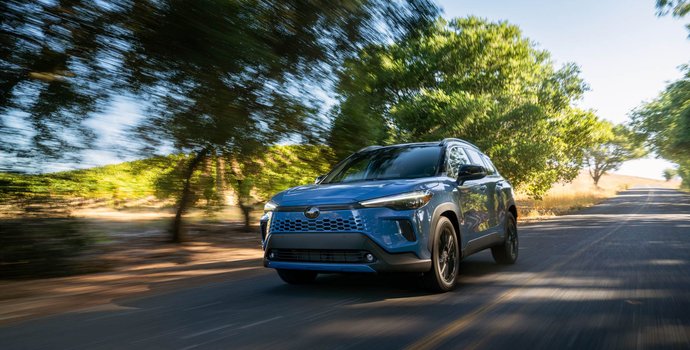
Standard hybrids skip the plug entirely and lean on the engine for cabin heat. The 2026 RAV4 Hybrid uses Toyota’s fifth-generation hybrid system for 236 combined system net horsepower, and every hybrid RAV4 sold in Canada comes with all-wheel drive. The Corolla Cross Hybrid produces 196 net combined horsepower with standard electronic on-demand all-wheel drive and a manufacturer-estimated 5.6 L/100 km combined across all hybrid grades.
Four Fall Habits Worth Starting Now
- Precondition while plugged in. Run climate control for 20 to 30 minutes before you leave, using wall power instead of battery capacity.
- Charge in the 20 to 80 percent band. More frequent, shorter sessions suit cold weather better than chasing a full 100 percent charge.
- Check tire pressure monthly. Pressure falls as temperatures drop, and underinflated tires cost range and fuel economy in every powertrain.
- Reach for seat and steering wheel heat first. Add cabin heat afterward, and only as much as you actually need.
At a Glance: Fall Cold-Weather Facts
|
Factor
|
What the Data Shows
|
|
EV range begins declining
|
Around 4°C, per Recurrent research reported by CBC
|
|
Average EV range retained in freezing conditions
|
70.3 percent across 18 popular models
|
|
Extra fuel burned at -7°C versus 25°C
|
Roughly 15 percent, per Natural Resources Canada
|
|
Toyota BEV DC fast charge, ideal conditions
|
10 percent to 80 percent in around 30 minutes
|
|
Longest Toyota BEV range rating
|
468 km, 2026 bZ XLE AWD
|
|
Longest Toyota plug-in hybrid electric range
|
89 km, 2026 RAV4 Plug-in Hybrid SE AWD
|
Learn More at Orangeville Toyota
Fall is the right moment to ask questions, long before a cold snap forces the issue. The team at Orangeville Toyota in Orangeville can walk you through how preconditioning works on a specific model, what a realistic cold-weather charging routine looks like, and which electrified powertrain suits the driving you actually do. Stop by, or reach out to book a conversation with our team.