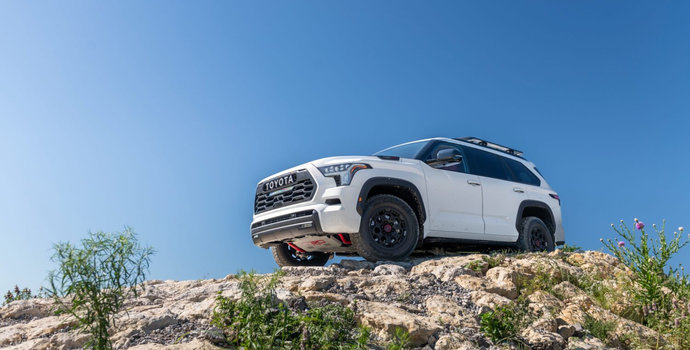
As winter fades and the temperatures start to rise, Toyota owners should take the opportunity to ensure their vehicle is in top condition for the warmer months ahead. Spring maintenance is essential not only for performance and safety but also for preserving resale value. The effects of winter driving — cold temperatures, road salt, and potholes — can take a toll on a vehicle, making a thorough inspection and maintenance routine necessary. Some tasks can be done at home, while others are best handled by professionals at the dealership to ensure everything is working as it should.
Switching from Winter Tires to All-Season or Summer Tires
One of the most important things to address in spring is the transition from winter tires to either all-season or summer tires. Winter tires are designed for cold weather and become less effective as temperatures rise. Once daily temperatures consistently stay above seven degrees Celsius, it’s time to switch.
Summer tires offer the best performance in warm conditions, providing superior grip, braking, and handling. They are ideal for those who want maximum driving precision and responsiveness. All-season tires, on the other hand, offer a balance of longevity and versatility, making them a practical option for drivers who prefer not to change tires again in the fall. Whichever option is best suited for your driving habits, ensuring proper tread depth, checking for uneven wear, and verifying that tires are properly inflated is crucial for safety and efficiency.
Cleaning and Protecting the Exterior and Interior

Spring is the perfect time to focus on an often-overlooked area — vehicle cleanliness. Road salt, dirt, and debris can accumulate over the winter, leading to corrosion and premature wear. A thorough exterior wash, including the undercarriage, removes salt buildup that can cause rust. Waxing the paint adds a protective layer against sun exposure and contaminants, keeping the exterior looking new and preserving resale value.
The interior also deserves attention, as slush, dirt, and debris can stain carpets and seats. Vacuuming the floors and seats, wiping down surfaces, and using fabric or leather protectants help maintain a clean and comfortable cabin. Air vents should be cleaned to remove dust buildup, and replacing the cabin air filter ensures fresh airflow free from pollen and allergens.
Checking Fluids and Essential Components
Fluids play a vital role in keeping a Toyota running smoothly, and spring is the perfect time to inspect and top them up. Engine oil should be checked to ensure it is at the proper level and isn’t excessively dirty. While some owners prefer to change the oil themselves, getting an oil change at the dealership ensures that the correct oil type and filter are used.
Coolant is another critical fluid, as it regulates engine temperature. Over the winter, coolant levels may drop, so checking and topping it up helps prevent overheating in warmer weather. Brake fluid, transmission fluid, and windshield washer fluid should also be inspected. Washer fluid is particularly important in spring when rain and pollen can obstruct visibility.
Inspecting the Brakes and Suspension

Winter conditions can put stress on the braking system, making a spring inspection essential. Brake pads and rotors should be checked for wear, as excessive wear can affect stopping power and safety. Unusual noises, such as squeaking or grinding, may indicate that it’s time for a brake service. While some brake maintenance can be done at home, a professional inspection at the dealership provides peace of mind.
Potholes and rough winter roads can also affect a vehicle’s suspension and wheel alignment. If the car pulls to one side or there’s unusual vibration in the steering wheel, it may need an alignment adjustment. Having the alignment checked at the dealership ensures that the tires wear evenly and that the vehicle handles properly.
Testing the Battery and Electrical System
Cold temperatures can take a toll on the battery, so testing it in the spring helps prevent unexpected failures. A weak battery may struggle to start the engine, especially as temperatures fluctuate. Checking the battery terminals for corrosion and ensuring a strong charge helps avoid breakdowns. Many dealerships offer battery testing as part of spring maintenance, allowing owners to replace a weak battery before it fails.
Lights should also be inspected, including headlights, brake lights, and turn signals. Replacing burnt-out bulbs ensures visibility and safety. If any warning lights appear on the dashboard, having the vehicle scanned at the dealership can identify potential issues early on.
Ensuring Proper Tire Pressure and Rotation

Fluctuating temperatures can cause tire pressure to drop, affecting fuel efficiency and handling. Checking tire pressure and inflating tires to the recommended levels ensures optimal performance. Tires should also be rotated to promote even wear, extending their lifespan. While some owners rotate their tires themselves, a dealership can check for alignment issues at the same time, ensuring the vehicle drives smoothly.
Replacing Wiper Blades and Checking the HVAC System
Wiper blades often take a beating during the winter months, so spring is the right time to replace them. Streaking, skipping, or squeaking are signs that wiper blades are worn out and need to be changed. Clear visibility during spring rains is essential for safety, so fresh wipers make a noticeable difference.
The heating, ventilation, and air conditioning system should also be tested. With warmer weather approaching, ensuring the air conditioning is working properly will make summer driving more comfortable. If the system isn’t blowing cold air or there’s an unusual odour, a refrigerant recharge or filter replacement may be needed.
Scheduling a Professional Spring Inspection
While many maintenance tasks can be handled at home, having a professional inspection at the dealership provides a thorough assessment of the vehicle’s condition. Certified technicians can spot potential issues that may go unnoticed and ensure that all systems are functioning properly. A dealership visit for spring maintenance also helps maintain a vehicle’s service history, which is valuable for resale purposes.
Spring is the perfect time to refresh and maintain a Toyota after a long winter. By addressing key areas such as tires, fluids, brakes, and cleanliness, owners can ensure their vehicle is safe, efficient, and well-maintained for the months ahead.
You might also be interested in these blogs: